A wall of twenty near-identical crafts looks organised and productive. It is also a wall of twenty children following an adult's instructions to reproduce an adult's idea.
We do process art instead, and the wall looks messier for it.
The difference
Product art has a predetermined outcome. The adult knows what it should look like, the materials are pre-cut, and success means matching the model. The child's job is compliance and motor execution.
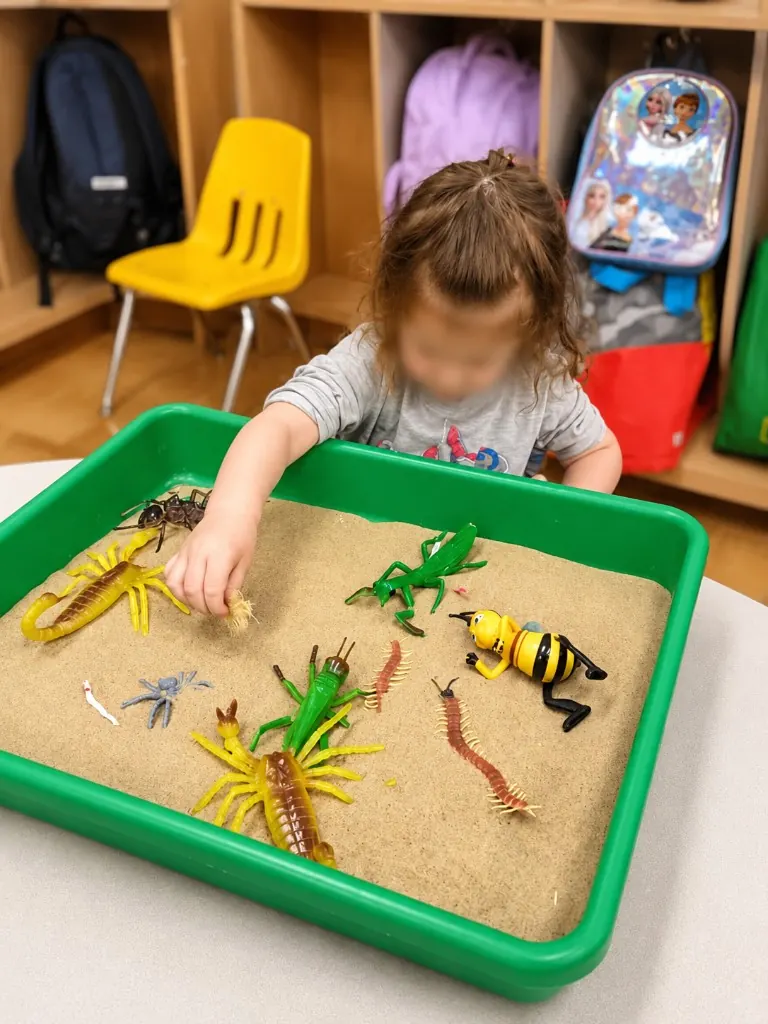
Process art has no predetermined outcome. Materials are available, the child decides what to do, and there is no wrong result. The value is entirely in the doing.
What process art develops
- Decision-making. Every choice is the child's: what colour, where, how much, when it is finished.
- Problem solving. The glue is not holding. The paint is running. Now what?
- Genuine creativity, in the sense of generating an idea rather than executing one.
- Persistence and tolerance for imperfection. Nothing has to look right, so nothing can go wrong.
- Fine motor work, incidentally and abundantly.
A template craft develops motor skill and instruction-following. Both are worth something. They are just much smaller than what they replace.
What it looks like here
Materials laid out and available: paint, paper of various sizes, glue, scissors, collage materials, natural items, recycling. Tools within reach. No model to copy and no example on the table.
Children work for as long as they want. Some produce something recognisable; most produce something that is about the experience of mixing colours. Both are fine.
We write down what they say about it and put that with the work, because the child's own account is the interesting part.
What to do with what comes home
Resist asking "what is it?" A great deal of young children's art is not a picture of anything, and the question implies it should be.
Better: "Tell me about this." Or simply describe what you see — "you used a lot of blue over here, and this part is really thick." That tells them you looked properly.
And ask them where it should go. A child who chooses the fridge or the bin themselves is exercising judgement about their own work.