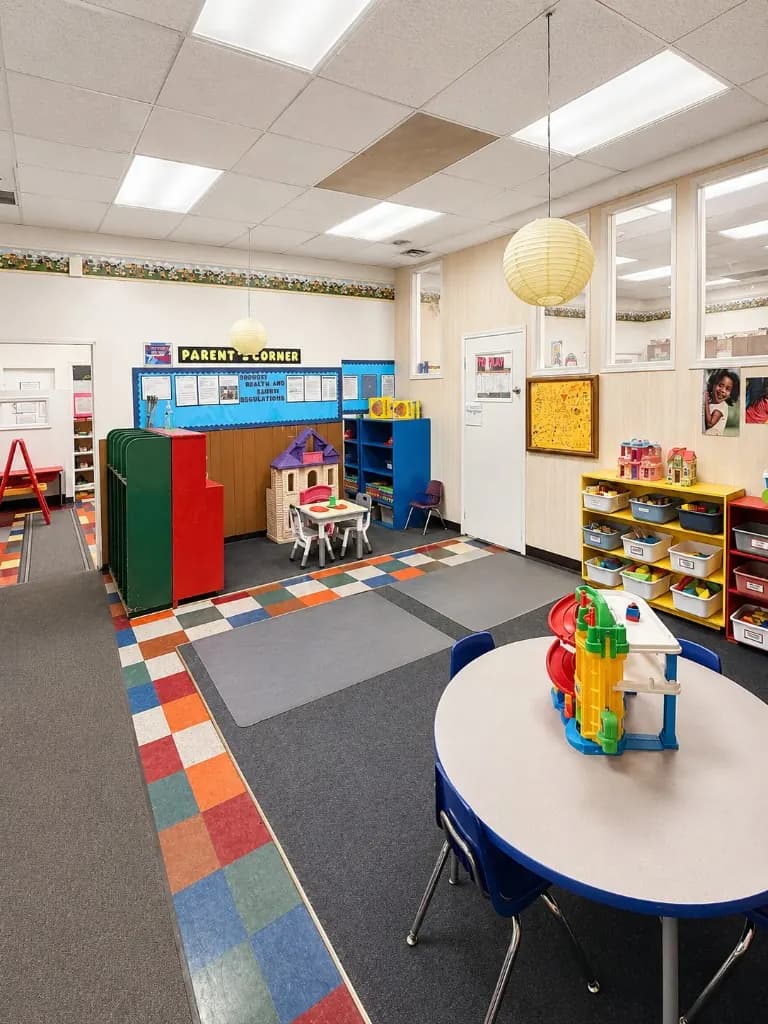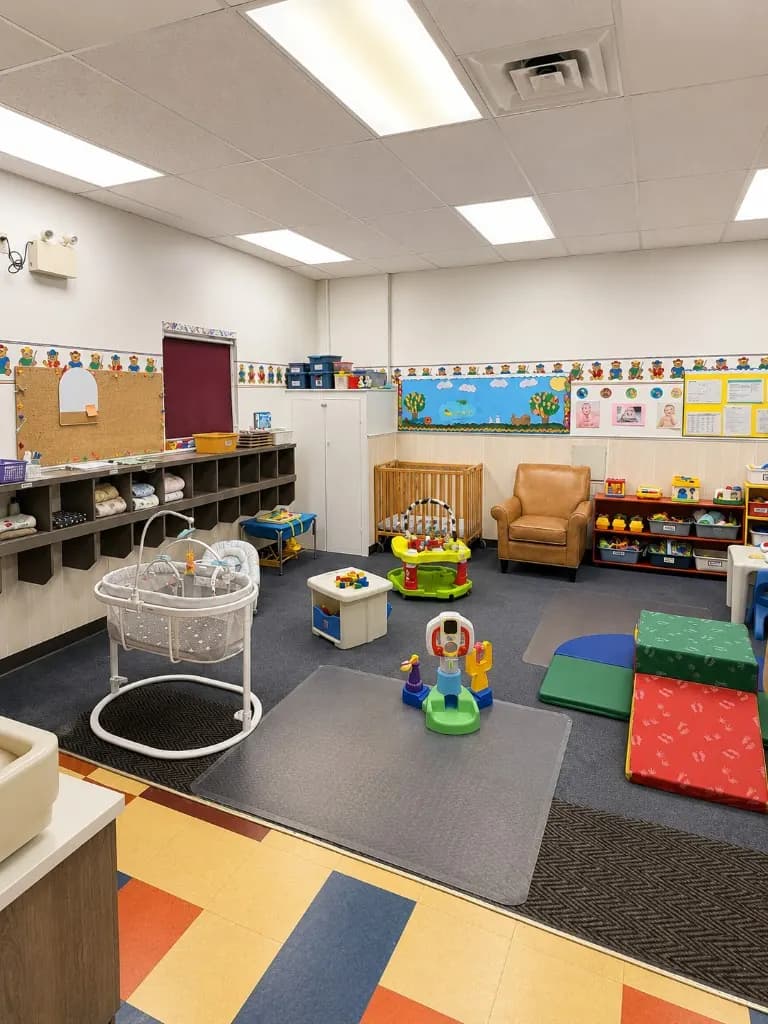
We can usually tell when a family has had a new baby before anybody mentions it, because it shows up in the room first.
What we see
- A return of separation distress at drop-off, sometimes after months of easy mornings
- More babyish speech, or requests to be carried and fed
- Toileting regression
- Playing babies, intensely and repeatedly, in the house corner
- Either much more clinginess with educators, or a marked new independence — both happen
- More conflict with peers, particularly over possessions
Nearly all of it is temporary, and nearly all of it is a child working out where they now stand.
Why it happens here rather than at home
Because home has become the place where a child needs to be good. A four-year-old often senses that their parents are stretched and holds it together at home, then falls apart in a setting that feels safe enough for it.
If your child is fine at home and difficult here, that may be a compliment, uncomfortable as it is.
What helps
Tell us the baby is coming, and tell us when it arrives. We can adjust — more one-to-one attention, more physical comfort, and an educator who knows why today is hard.
Let them regress a bit. A four-year-old who wants to be carried for a fortnight is asking for reassurance in the only currency they have. Giving it usually shortens the phase.
Give them a real job, not a token one. Fetching a nappy, holding a bottle. Being needed helps far more than being told they are a big sibling now.
Protect a small amount of undivided time. Ten genuinely uninterrupted minutes beats an hour with a baby in the room. It sounds impossible in the first months, and it is the highest-value thing available.
Let them play babies. In the house corner, with a doll, over and over. This is processing, and it is best left alone.
Do not attribute everything to the baby. Some of it is just being three.
How long
Usually a few weeks to a couple of months. If a significant regression is still going strong after three months or so, or if there is real aggression toward the baby, mention it to us and to your doctor.