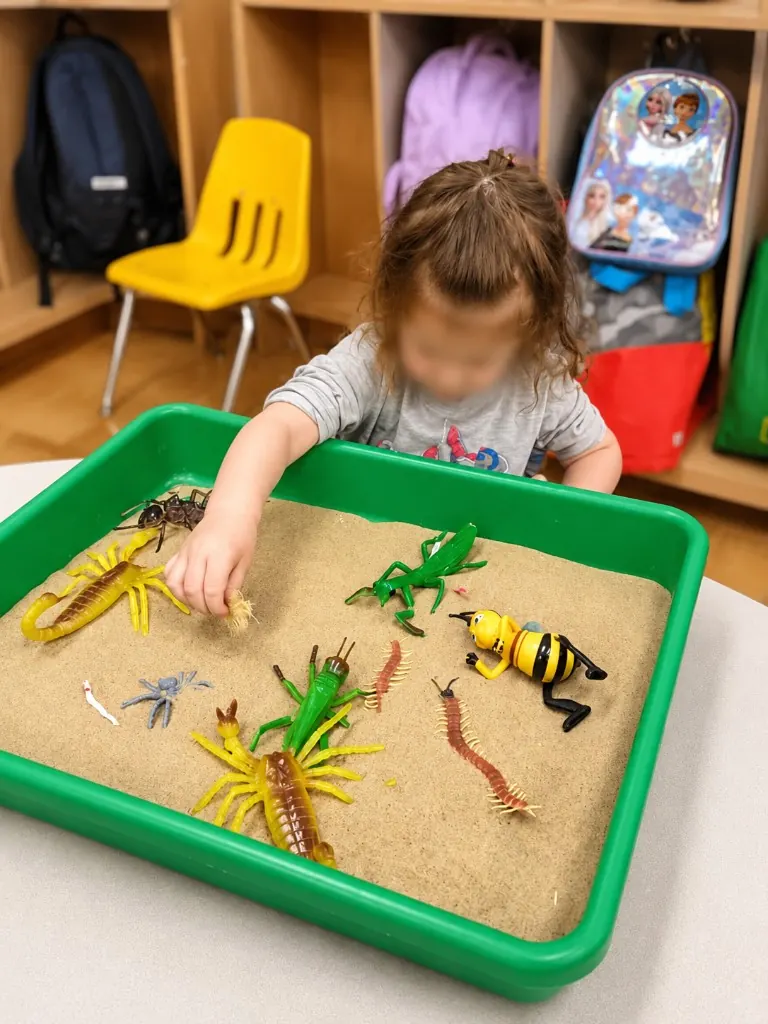
Fine motor development is the least glamorous part of early childhood and the one that most often trips a child up in their first year of school. A five-year-old who cannot manage scissors, a zipper, or a pencil grip spends their day fighting the mechanics of tasks instead of doing them.
The good news is that it responds fast to practice, and the practice requires nothing you do not already have.
What is actually developing
Three separate things, worth knowing apart:
- Hand strength — the muscles of the palm and fingers
- Pincer grip — thumb and forefinger working in opposition
- Bilateral coordination — two hands doing different jobs at once, which is what cutting actually requires
Most activities hit more than one.
Fifteen things, in rough order of age
- Tearing paper. Old newspaper, into a bowl. Startlingly good for hand strength, and a two-year-old can do it.
- Posting coins or buttons into a slot cut in a yoghurt lid.
- Peeling stickers off a sheet and putting them somewhere.
- Playdough — rolling, pinching, squashing. Hiding small objects in a ball for them to dig out.
- Tongs. Moving pompoms or dry pasta from one bowl to another with kitchen tongs.
- Clothes pegs. Pegging things onto a length of string, or around the rim of a container.
- Threading. Dry penne on a shoelace to start, beads later.
- Squeezing a spray bottle to water plants or clean a window. Excellent for grip strength.
- Tearing and scrunching tissue paper into balls to glue onto a shape.
- Cutting. Start with snipping the fringe of a strip of paper, then straight lines, then curves. Child-safe scissors that actually cut — blunt scissors that do not work are the most common reason a child gives up.
- Stacking small blocks as high as possible, which requires a controlled release.
- Lacing cards — punch holes around the edge of a cereal box shape.
- Sorting buttons or dried beans into an egg carton with fingers, not a scoop.
- Using a hole punch. Two-handed, satisfying, and hard work.
- Real jobs. Whisking, spreading butter, unloading cutlery, watering, pegging out laundry. These beat every activity on the list because they are genuine.
About pencils
Do not rush a pencil. Hand strength comes first; a child forced to write before their hand is ready develops a compensating grip that is hard to undo later.
When you do, use short pencils and broken crayons. A short tool makes a tripod grip almost automatic, whereas a long pencil invites a fist.
How we build it in
Our Academic Pre-K morning includes a dedicated fine motor block, every day, and the preschool room runs it through daily activity. Winter helps too — getting a toddler into their own snow gear is fine motor practice whether anybody planned it or not.