On the registration form there is a line for allergies and a line for symptoms. Parents fill in the first one carefully and often leave the second one blank, because the symptom question feels redundant if you have already named the allergen.
It is the more important line of the two. Here is why, and what happens with that information.
The symptom line is the one that saves time
If a child's form says "peanuts" and nothing else, an educator who sees hives and swelling has to work out in real time whether this is the known allergy presenting or something new. That is a decision made under pressure with incomplete information.
If the form says "peanuts — hives around the mouth within minutes, then swelling of the lips; has an EpiPen; previous reaction required hospital," there is no decision to make. There is a plan, and it starts immediately.
So please write the symptoms. Specifically. Including what happened last time.
What we do with the form
Within a day of a registration coming in:
- The allergy goes on the room's posted list. Not in a binder in the office — physically on the wall in the room, in the kitchen, and inside the cupboard where snacks are stored.
- A photo goes next to the name. Casual staff, students, and relief educators need to identify a child by face, not by reading a name they have not learned yet.
- Any medication is logged and stored. Original labelled container, in date, accessible to staff but not to children. We check expiry dates monthly and will chase you when one is approaching.
- The kitchen adjusts. Depending on severity that ranges from substituting one item to removing an ingredient from the building.
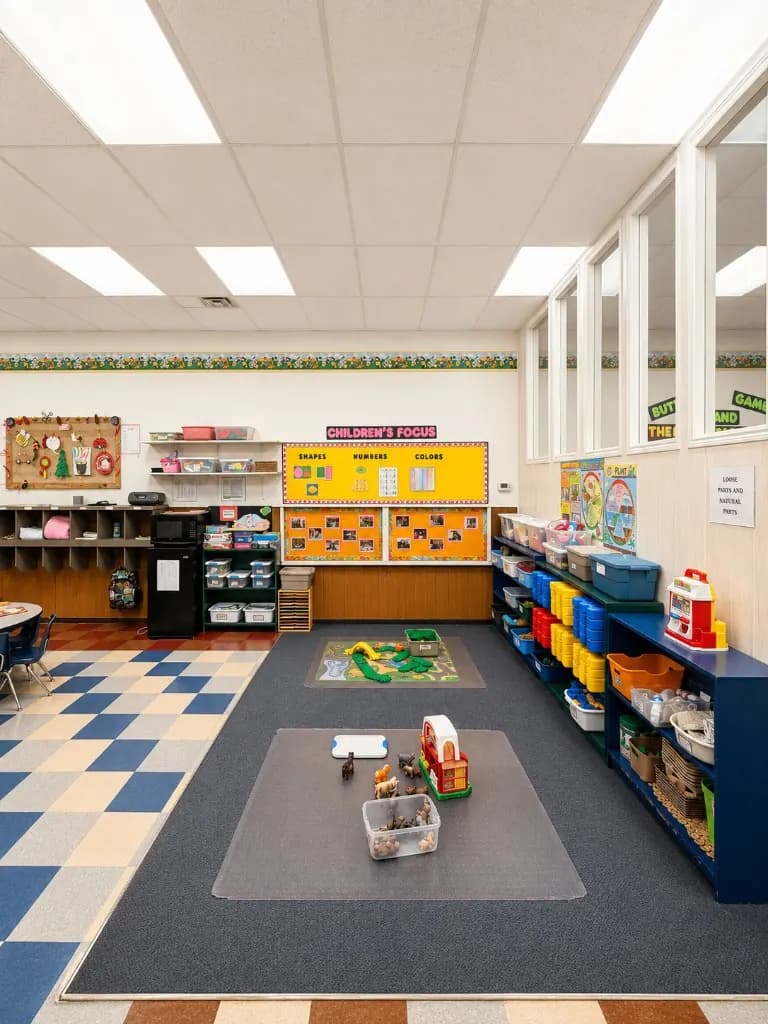
- The room adjusts its non-food materials too. This is the part parents rarely think of — playdough contains wheat, some craft materials contain nut oils, and egg carton crafts are a problem for an egg allergy. We check the craft cupboard, not just the pantry.
Why we are careful about food from home
We are not being difficult about the birthday cupcakes. In a room with a severe allergy, an item arriving from outside has no ingredient list we can verify and no production information about shared equipment.
What we ask instead: talk to us first. Almost always there is a version that works — a store-bought item with a full label, a non-food celebration, or a batch made with a substitution. What does not work is a homemade tray arriving unannounced at 3 PM.
The other kind of allergy conversation
Some families arrive braced for an argument, having been made to feel at a previous setting that their child was an inconvenience. That is a bad way to start.
A well-run allergy plan should be invisible to the child. A four-year-old with a dairy allergy should not be sitting at a separate table feeling singled out. They should be having the same lunch as everyone else, made differently, without commentary. We aim for that, and when we get it wrong we would like to hear about it.
What we need from you
- The symptoms, in detail. As above.
- An action plan from your doctor if there is a prescribed medication, so we are following medical instruction rather than improvising.
- In-date medication, and a replacement before the old one expires.
- An update when things change. Allergies are outgrown, new ones appear, and severity shifts. Tell us and we will change the posted lists the same day.
- A conversation rather than a form for anything complicated. Come in. It takes ten minutes and it is worth far more than a note in a box.
What about immunisation?
Separate question, often asked in the same breath. We ask whether immunisations are up to date and we record the answer. It is not a barrier to enrolment. What we do is keep accurate records, so that if there is a measles or pertussis exposure, Alberta Health Services can act quickly and we can notify affected families precisely rather than sending an alarming blanket letter.
Full detail on health and illness policies is in the FAQ, and if you want to talk something through before registering, call the centre. We would much rather have the conversation early.