We run a fire drill every month, and we log it. A drill with a room of twelve two-year-olds is not the orderly line you remember from school, and that is exactly why practising matters.
What a drill actually looks like
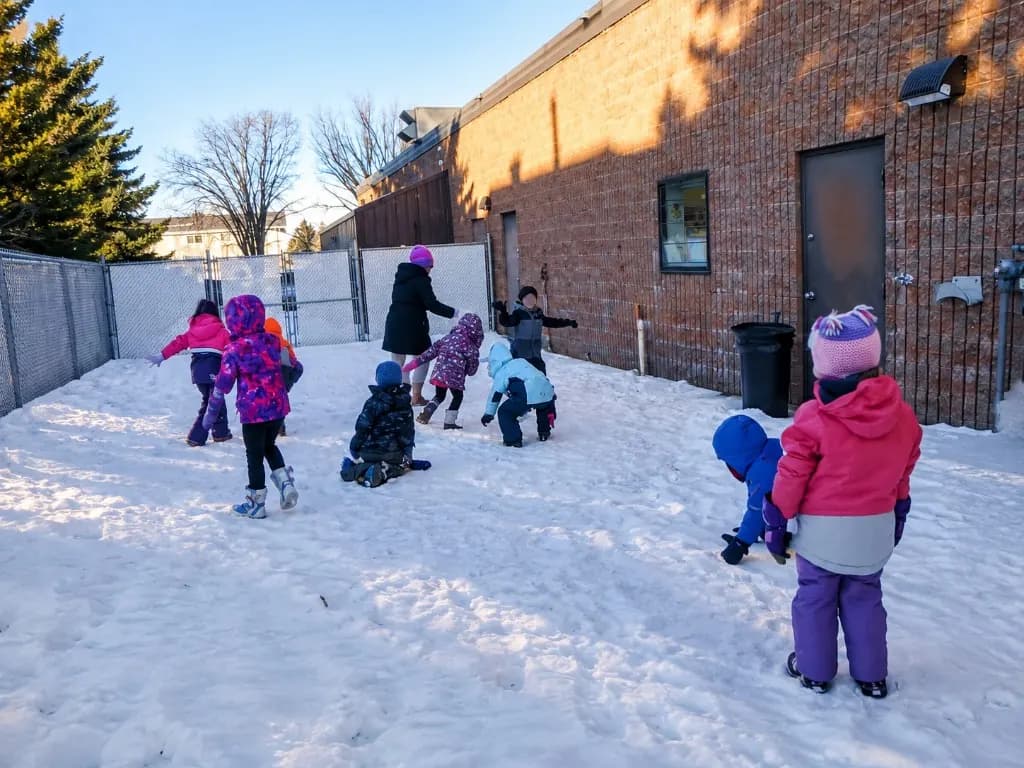
The alarm sounds. Educators do an immediate head count against the attendance list, gather infants into an evacuation crib or carriers, and move everybody to the designated point outside — usually without coats, because time matters more than temperature over a short distance.
At the assembly point there is another count against the list, plus a check of the attendance binder for children who arrived late or left early. Only then does anybody relax.
The whole thing takes a few minutes and it takes practice, because a two-year-old's instinct when an alarm sounds is to sit down or hide.
Why we do it monthly rather than annually
The first drill a room does is chaotic. By the fourth, children know the routine — there is a sound, we go to the door, we go outside, we come back. That familiarity is the difference between a manageable real evacuation and a serious one.
Educators also need the practice. Knowing where the attendance list is, who takes the emergency bag, and who counts is a sequence that must be automatic.
What else we plan for
- Shelter in place, for outdoor hazards or severe weather.
- A lost child, with a defined search and escalation procedure.
- A medical emergency, including allergic reaction and who calls whom.
- A power failure or loss of heat. In an Edmonton January, loss of heat is an evacuation matter.
- Someone attempting to collect a child who is not authorised. This has a procedure, and the procedure is that the child does not leave until we have reached you.
What we need from you
Current phone numbers, and emergency contacts who are genuinely reachable and who know they are listed. An out-of-date contact number is the most common weakness in any emergency plan, and it is the easiest thing to fix.
Please update us the day something changes.