Edmonton in November is not yet deep winter, and somehow it feels harder. The snow may or may not have stuck. The wind is mean. And for a large share of working parents, pickup happens after dark.
Children feel that shift in their bodies even when nobody names it.
What we see in the rooms
- Harder mornings. Darkness at 7:30 AM makes leaving the house feel wrong to a three-year-old who still associates dark with bedtime.
- Faster afternoon fraying. The last hour before pickup gets louder and more conflict-prone as the light goes.
- Nap changes. Some children sleep harder. Some refuse. Both are common in the same week.
- Appetite swings. Outdoor time is shorter or colder, and lunch behaviour often follows.
None of this means your child is regressing. It means their circadian system is negotiating Alberta.
What we do here
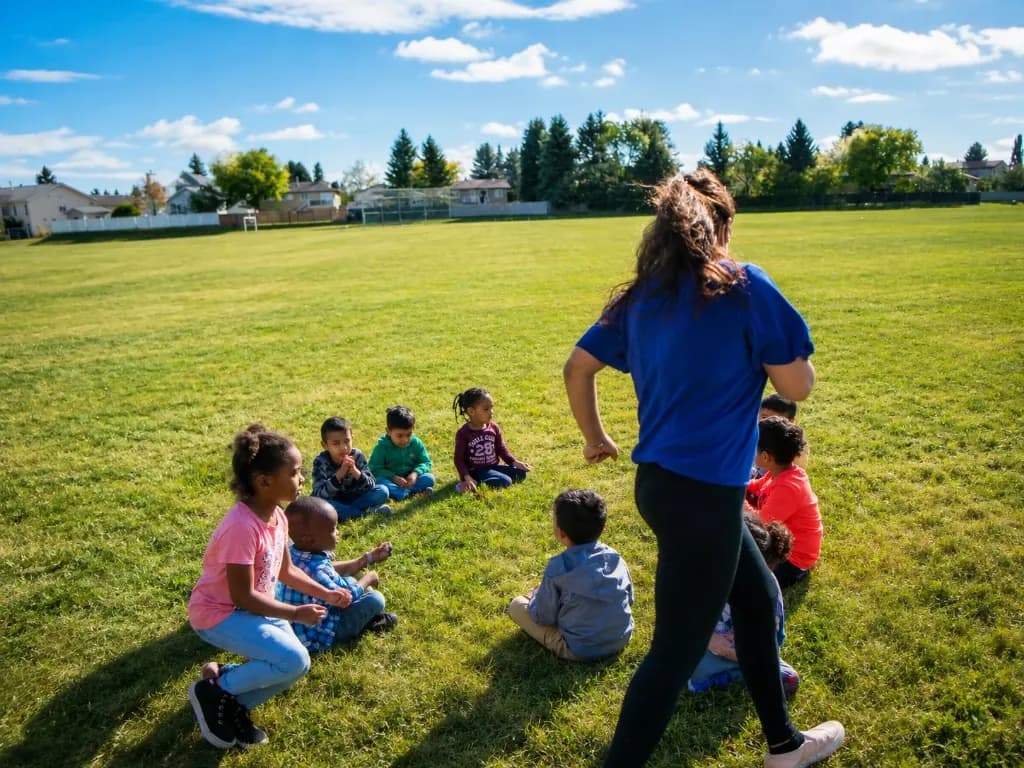
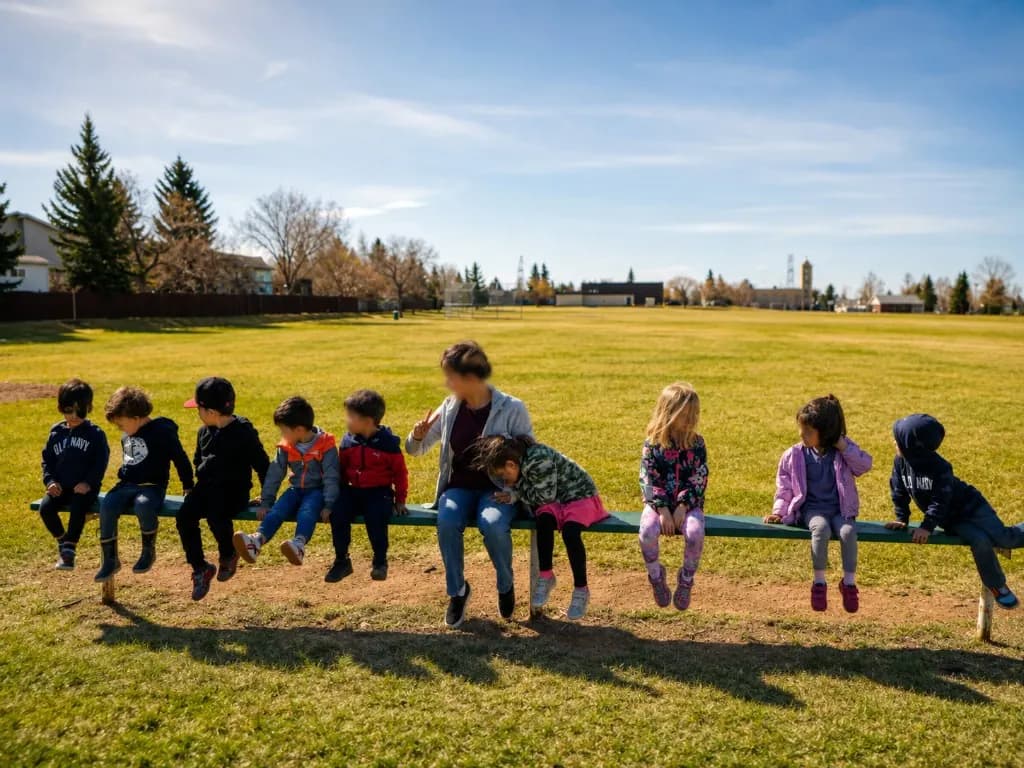
We protect outdoor time on the days it is safe, even when it is brief and grey. Twenty minutes of moving air still resets a room better than an indoor craft marathon.
Indoors we lean harder on:
- Gross motor that is actually physical — not quiet table work dressed up as movement
- Predictable afternoon rituals so the dark does not feel like an ambush
- Warm light and lower noise in the last hour, because overstimulation stacks badly with early dusk
- A calmer arrival window for out of school care children who arrive already hungry and dim-lit — food is not provided, so packing something from home helps
What helps at home
Lower the bar for November evenings. A bath, a simple meal, and an earlier bedtime beats an ambitious after-work outing three nights a week.
Keep the blackout curtains honest at night and open them fully in the morning — morning light is the strongest cue you have left. If weekends are the only bright stretch, spend some of them outside even when it is ugly. Ugly daylight still counts.
Watch for the difference between a seasonal wobble and something that needs a conversation: persistent sadness, sleep that falls apart for weeks, or a child who stops enjoying things they used to love. Seasonal hardness is common; lasting distress is worth naming to your doctor and to us.
Gear reminder, again
November is when mitten pairs start vanishing and snow pants still feel optional until the first real dump. Send the full kit anyway. The day you guess wrong is always the day we actually go out.
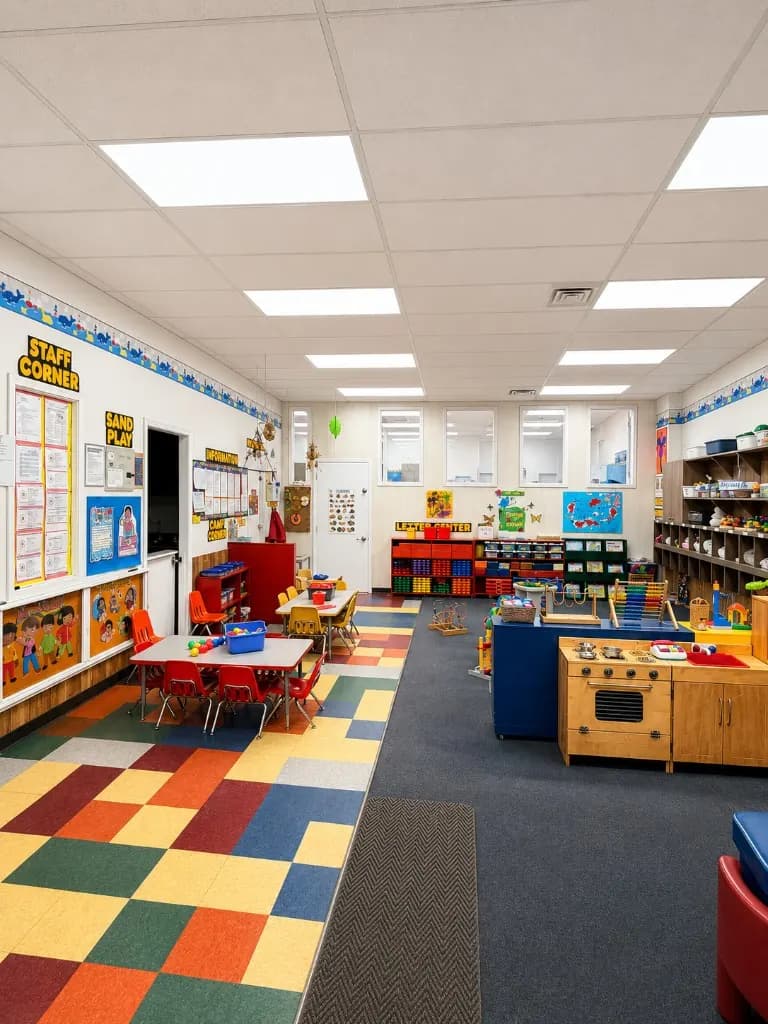
More on winter outdoor practice in Yes, we go outside in January, and you can see how the rooms are set up on a centre tour.