We do not use time-outs, a naughty chair, a traffic light board, or a reward chart. Parents sometimes ask what is left, and the answer is quite a lot.
Why not those things
Time-out isolates a child at the moment they are least able to regulate themselves. A dysregulated three-year-old does not reflect during a time-out; they escalate, or they shut down. Neither teaches the skill they were missing.
Public behaviour boards shame a child in front of peers, and shame reliably produces more of the behaviour, not less.
Reward charts work briefly and then stop, and they replace an internal reason for behaving with an external one. When the sticker goes, so does the behaviour.
What we do instead
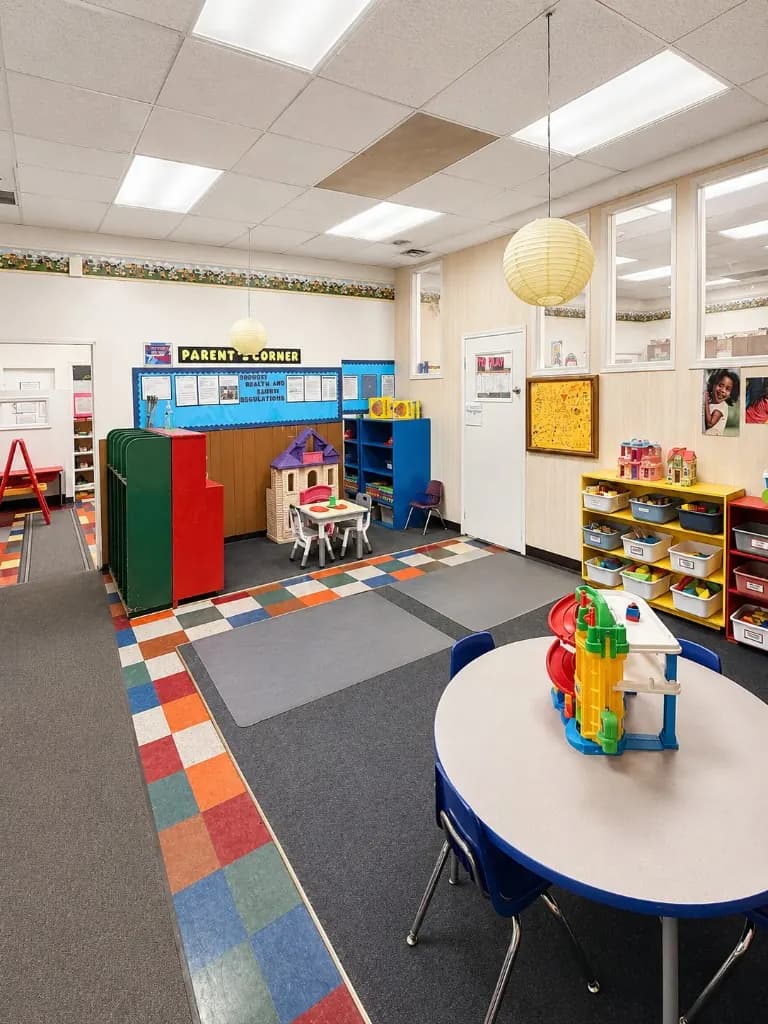
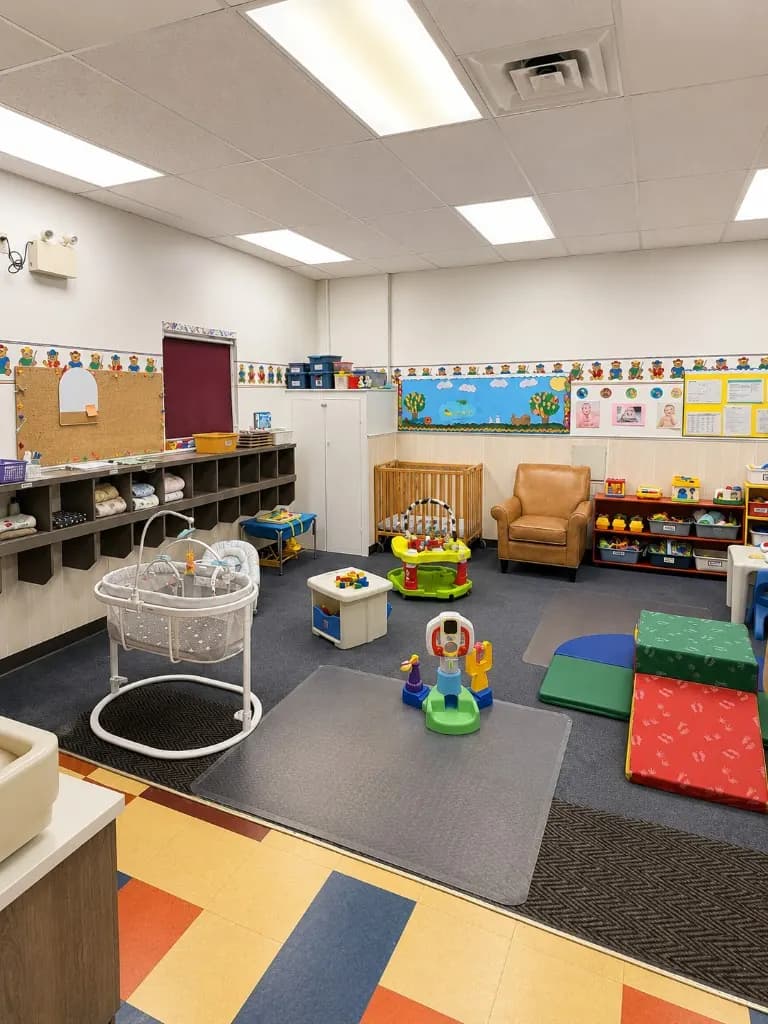
Change the environment first. Most repeated behaviour is a design problem. If children fight over one item, get a second. If a corner produces conflict, change the corner. If a transition always goes badly, add a warning to it. This resolves more than any response to individual incidents.
Stay with the child. Rather than removing them, an educator sits with them until they are calm. This is sometimes called time-in. It gives a child the co-regulation they cannot yet do alone.
Name the feeling, hold the limit. "You are furious that he took it. I am not letting you hit." Both halves. The feeling is always allowed; the behaviour is not.
Teach the missing skill. A child who hits when a toy is taken needs the words and the strategy — "say 'mine', or come and get me." A consequence does not supply the skill.
Give real choices. "Walk to the sink or hop to the sink." Autonomy inside a boundary defuses an enormous number of standoffs.
Notice specifically. Not "good job" but "you waited for your turn even though it was hard." Specific and about effort.
Repair afterwards. Once calm, we help the child put something right — fetching the ice pack, helping rebuild the tower. That teaches accountability, which punishment does not.
It is slower
Honestly, it takes longer than a time-out. Sitting with a child for six minutes costs more than sending them to a chair.
What it buys is a child who is building actual self-regulation rather than learning to avoid a consequence. That difference shows up by school age.
More on this in our approach.